
Cleburne Comfort: Practical HVAC Insights for Reliable Home Performance
How Modern HVAC Solutions Keep Cleburne Homes Comfortable Year-RoundSeasonal Demands and Local Realities
North Texas weather can swing from warm afternoons to chilly nights within the same week. That variability means comfort systems must be responsive, efficient, and properly sized. Residents benefit from systems designed to handle quick temperature shifts without straining components. When equipment is matched to the home’s load and installed with care, it runs quieter, lasts longer, and keeps utility costs in check. In this context, planning for routine service and prompt solutions like hvac repair cleburne becomes a practical part of homeownership.
Smart Choices in HVAC Equipment Sales
Modern equipment options prioritize energy efficiency, sound reduction, and reliable airflow. Thoughtful HVAC Equipment Sales include guidance on system capacity, air handler compatibility, refrigerant considerations, and thermostat integration. For many homeowners, choosing variable-speed or two-stage equipment can deliver even temperatures and better humidity control. Just as important is understanding filter types and return air sizing. With the right advice, residents exploring hvac cleburne solutions can strike a balance between performance and budget without sacrificing long-term dependability.
Professional HVAC Equipment Installation Matters
Even the best equipment underperforms if installed incorrectly. Proper HVAC Equipment Installation involves meticulous attention to duct connections, refrigerant charging, condensate management, and airflow measurements. Installers verify static pressure, confirm thermostat calibration, and ensure adequate ventilation. These steps protect compressors, motors, and heat exchangers while optimizing comfort. For homes with older ducts, a pre-install assessment can reveal leaks or restrictions that should be corrected before startup. When installation and commissioning are handled professionally, the system begins its life cycle on the right foot.
Service, Repair, and Reliability
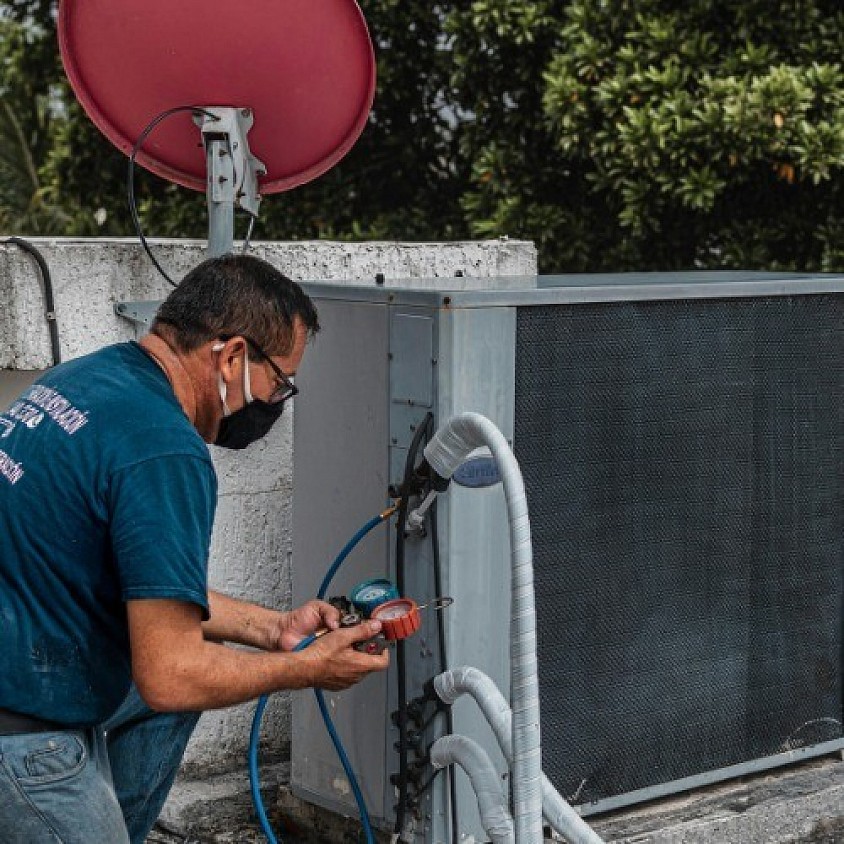
Over time, moving parts need care. HVAC Equipment Service focuses on cleaning coils, checking electrical connections, lubricating applicable components, and verifying safety controls. Small issues caught early—like a weak capacitor or a corroded contact—can prevent larger failures. When breakdowns do occur, efficient HVAC Equipment Repair prioritizes accurate diagnostics and quality parts. Prompt support is essential during winter cold snaps, where quick response for furnace repair cleburne helps restore heat safely and efficiently. Clear communication about findings and options empowers homeowners to make timely decisions that protect both comfort and budget.
Duct Cleaning and Indoor Air Quality
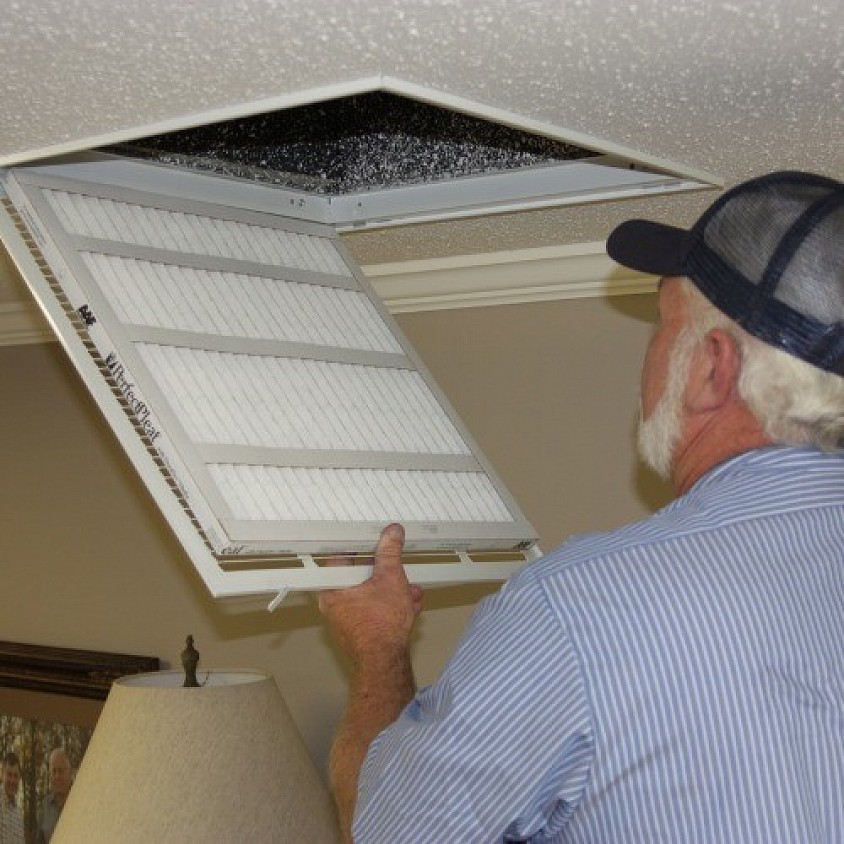
Dust-laden ducts can circulate particles that settle on surfaces and aggravate allergies. Duct Cleaning, when warranted, helps improve airflow and reduces debris that may burden filters and components. It also pairs well with properly sized returns, sealed duct joints, and routine filter changes. Indoor air quality strengthens when the system breathes easier. Clean ducts, combined with regular maintenance, help maintain consistent temperature and improved comfort across rooms.
Five Practical Steps to Strengthen Home HVAC Performance
Schedule seasonal HVAC Equipment Service to verify airflow, refrigerant levels, and safety controls before temperature extremes arrive.
Replace filters on a regular cadence, and select the right filter rating to avoid restricting airflow.
Seal and insulate ducts where accessible, reducing losses and helping every room receive adequate supply air.
Calibrate or upgrade thermostats for smarter scheduling, better temperature stability, and energy savings.
Address unusual noises, odors, or cycling patterns promptly with qualified hvac repair cleburne support to prevent minor issues from escalating.
Planning Ahead for Longevity
A clear maintenance plan helps extend system life and keeps comfort steady across seasons. Keep records of service visits, parts replacements, and any adjustments. When upgrades are on the horizon, coordinate HVAC Equipment Sales with inspection findings to select solutions that align with the home’s needs and layout. Prioritizing professional installation and timely repair, including dependable hvac cleburne expertise, lays the groundwork for efficient performance and dependable comfort year after year.
Smart, Efficient Comfort: Trends Shaping Today’s HVAC Decisions
Modern HVAC Priorities for Homes and Small Businesses
A reliable comfort system is no longer a luxury; it’s a daily expectation. Between hotter summers, evolving building codes, and smarter homes, HVAC choices have moved from simple temperature control to whole-indoor-environment strategy. Homeowners and small businesses now look at lifecycle value, energy stewardship, and air quality along with reliable heating and cooling. These shifts influence how people approach HVAC Equipment Sales, HVAC Equipment Installation, HVAC Equipment Service, and HVAC Equipment Repair throughout the year.
Smarter Buying: From Features to Fit
When evaluating new systems, buyers pay close attention to capacity, controls, and maintenance needs. The right fit matters more than raw power. Oversized units can short-cycle and underperform, while undersized systems struggle to keep up. A well-matched setup—paired with sealed ducts and balanced airflow—supports steady comfort and stretches equipment life. In HVAC Equipment Sales, consultative guidance helps align equipment capability with space size, insulation levels, and usage patterns, avoiding guesswork and buyer’s remorse.
When Urgency Meets Expertise
Comfort demands don’t always wait for the perfect season. A midsummer outage or a shoulder-season hiccup can derail a day quickly. That’s when prompt diagnostics and clear communication count most. For residents seeking air conditioning repair cleburne homeowners often prioritize fast response, accurate troubleshooting, and transparent recommendations. A technician who isolates root causes—whether electrical, refrigerant-related, or airflow—can often salvage equipment, prevent repeat failures, and restore confidence in the system.
Essential Maintenance Checklist
Routine attention is the foundation of reliability. Skipping upkeep doesn’t just risk breakdowns—it can also erode efficiency and indoor air quality. A balanced maintenance program touches the areas that matter most and keeps surprises to a minimum. Consider the following essentials:
Filter discipline: Replace or clean filters on a regular schedule to protect coils, reduce strain on blowers, and keep dust out of living spaces.
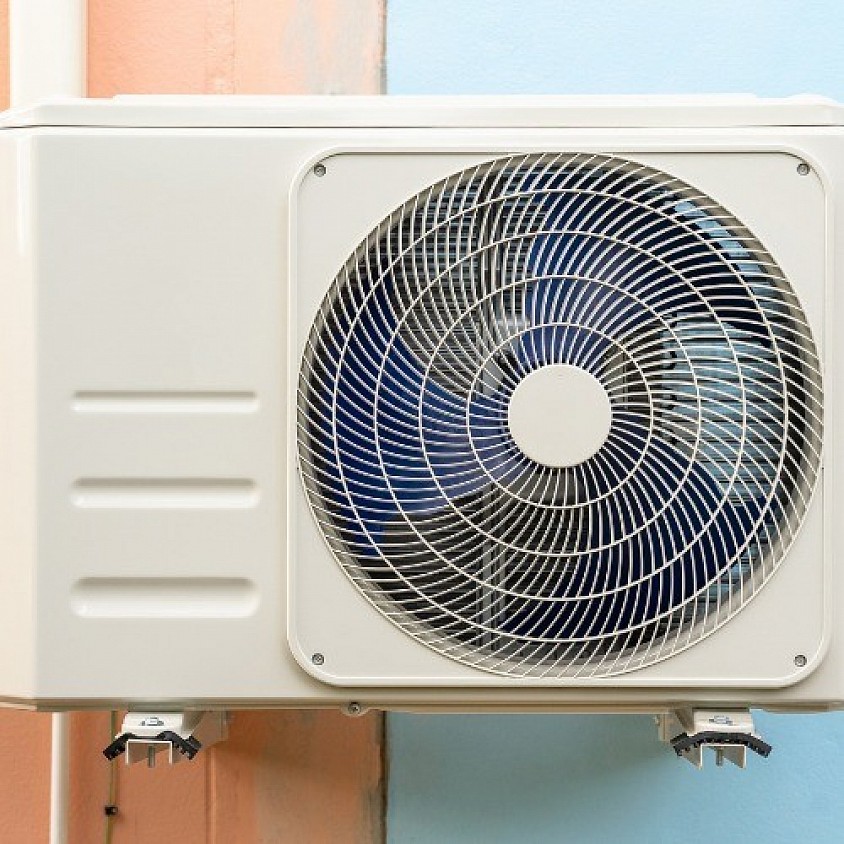
Coil care: Clean evaporator and condenser coils to maintain heat transfer efficiency and stabilize system performance.
Duct integrity: Inspect for leaks, kinks, or disconnected runs; pair fixes with Duct Cleaning when dust buildup or debris throttles airflow.
Drainage and pans: Clear condensate lines and check pans to prevent clogs that can lead to water damage or microbial growth.
Electrical health: Tighten connections and assess capacitors, contactors, and relays to curb nuisance shutdowns.
Controls and sensors: Verify thermostat settings, calibrations, and zoning dampers to ensure commands translate into consistent comfort.
Airflow balancing: Measure static pressure and adjust registers or dampers so each room gets the air it needs.
Installation Quality: The Hidden Performance Multiplier
Even the best equipment cannot overcome poor setup. HVAC Equipment Installation influences everything from noise and comfort to energy use and durability. Precision matters—refrigerant charge, line-set practices, drain routing, and duct transitions all affect long-term outcomes. Correct sizing through recognized load calculations helps match capacity to real-world conditions. Start-up commissioning confirms the system hits design targets before the first season truly tests it. Skipping these steps often shows up later as hot spots, short cycling, or repeat service calls.
Clean Air as a Daily Habit
Indoor air quality rises and falls with housekeeping, ventilation, and filtration. Routine Duct Cleaning, when justified by visible buildup or airflow complaints, can remove obstructions and improve delivery to distant rooms. Pair that with sealed ductwork, properly sized returns, and effective filtration to reduce particulates and ease system workload. In HVAC Equipment Service visits, technicians can spot trends—like dust accumulation or pressure imbalances—before they become persistent comfort challenges.
From purchase to upkeep, smart HVAC decisions balance up-front choices with long-term care. With attention to installation detail, routine service, and practical airflow strategies, comfort systems can operate smoothly across seasons and deliver the steadiness people count on every day.
Smart, Efficient HVAC Decisions for North Texas Homes
Seasonal Demands and System Readiness
North Texas weather swings can push heating and cooling systems to their limits. Winter cold fronts give way to long, hot summers, and equipment that isn’t sized or maintained for these shifts will struggle. Homeowners who plan ahead with routine service, timely filter changes, and targeted tune-ups avoid many of the comfort dips that show up on the first freezing night or the earliest 95-degree afternoon. When temperatures change rapidly, a proactive approach reduces stress on motors, compressors, and heat exchangers and keeps utility bills steadier across the year.
Selecting the Right Equipment
Choosing a system should start with a proper load calculation, not guesswork. Bigger isn’t always better; an oversized unit short-cycles, wastes energy, and can leave humidity unmanaged, while an undersized unit runs constantly and still misses the mark on comfort. Work with a technician who understands local building styles, insulation levels, and duct design. Look for variable-speed air handlers and smart thermostats that fine-tune comfort room by room. If an upgrade is on the table, review HVAC Equipment Sales options that match your home’s square footage and usage patterns, and compare efficiencies with your climate in mind rather than chasing theoretical ratings alone.
Maintenance Routines That Matter
Reliable indoor comfort comes from consistency. Small, regular tasks add up to better performance, fewer breakdowns, and longer equipment life. Homeowners can handle some basics, while deeper checks belong to a pro through HVAC Equipment Service appointments scheduled before peak seasons.
Replace or wash filters on schedule to maintain airflow.
Clear debris around outdoor units for proper ventilation.
Inspect registers and returns for blockages.
Seal visible duct gaps to prevent air leaks.
Use thermostat schedules that match daily routines.
Breathing Easier with Cleaner Ducts
Dust, construction debris, and everyday living can accumulate in ductwork, cutting airflow and circulating particulates that aggravate allergies. Periodic Duct Cleaning, combined with sealing and balancing, restores designed airflow and helps your system deliver cleaner, more even temperatures. Pair this with verified static-pressure measurements and a look at return air sizing; many comfort complaints and noisy vents trace back to duct issues, not to the equipment itself. Cleaner ducts also support efficiency gains after HVAC Equipment Installation or when adding high-MERV filtration that needs proper duct design to avoid pressure drops.
When Repairs Can’t Wait
Even well-maintained systems can falter under extreme loads. Knowing when to call for help prevents minor issues from becoming major expenses. Short-cycling, iced coils, unfamiliar odors, or a furnace that won’t ignite are all signals to schedule HVAC Equipment Repair. Timely attention protects compressors, blower motors, and safety controls. For local homeowners, fast, reliable assistance matters; many rely on services like HVAC Equipment Service and prompt responses for emergencies that pop up during heat waves or hard freezes. In particular, when heat goes out, FURNACE REPAIR CLEBURNE becomes a priority to keep families safe and comfortable, while during summer spikes, HVAC REPAIR CLEBURNE ensures systems regain cooling quickly. Year-round, choosing experts familiar with HVAC CLEBURNE conditions leads to solutions that reflect the realities of local homes, from older ranch styles to newer builds with open plans.
Planning for the Long Run
Comfort strategies should be long-term. Combine targeted upgrades—smart controls, zoning where practical, and duct improvements—with routine checkups. When it’s time to replace, professional HVAC Equipment Installation guided by accurate measurements and airflow testing delivers day-one performance you can feel. Investing in efficiency is worthwhile, but installation quality and ongoing care determine whether that efficiency reaches your living room.
Smart HVAC Choices for Comfort and Efficiency in North Texas
Modern HVAC Trends That Matter Now
Keeping a home or business comfortable in North Texas means paying attention to equipment quality, airflow, and clean indoor air. As weather swings test systems throughout the year, property owners are looking for ways to balance comfort with practical operating costs. In communities like hvac cleburne, the focus is shifting toward smarter selection, precise installation, and diligent upkeep that keeps systems dependable without surprises.
Choosing the Right Equipment
The foundation of a reliable system begins with HVAC Equipment Sales that match real-world needs. Sizing and feature selection matter more than brand slogans. The right match prevents short cycling, excessive runtime, and hotspots. Ask about variable-speed options, thoughtful thermostat compatibility, and filtration capacity that aligns with indoor air quality goals. When evaluating equipment, consider the duct layout, building envelope, and room use patterns, not just square footage. A careful sales consultation can identify models that balance comfort, sound levels, and long-term serviceability.
Installation Details That Pay Off
HVAC Equipment Installation can make or break performance. Even top-tier equipment underperforms when airflow is pinched or refrigerant charge is off. Good installers verify line-set integrity, pitch and drain on condensate lines, and proper clearance around air handlers and outdoor units. They also confirm duct tightness and supply-return balance. Attention to these details helps the system deliver consistent comfort, reduces strain on components, and supports cleaner air. A well-installed system typically needs fewer early adjustments and is easier to maintain over time.
Maintenance and Service Routines
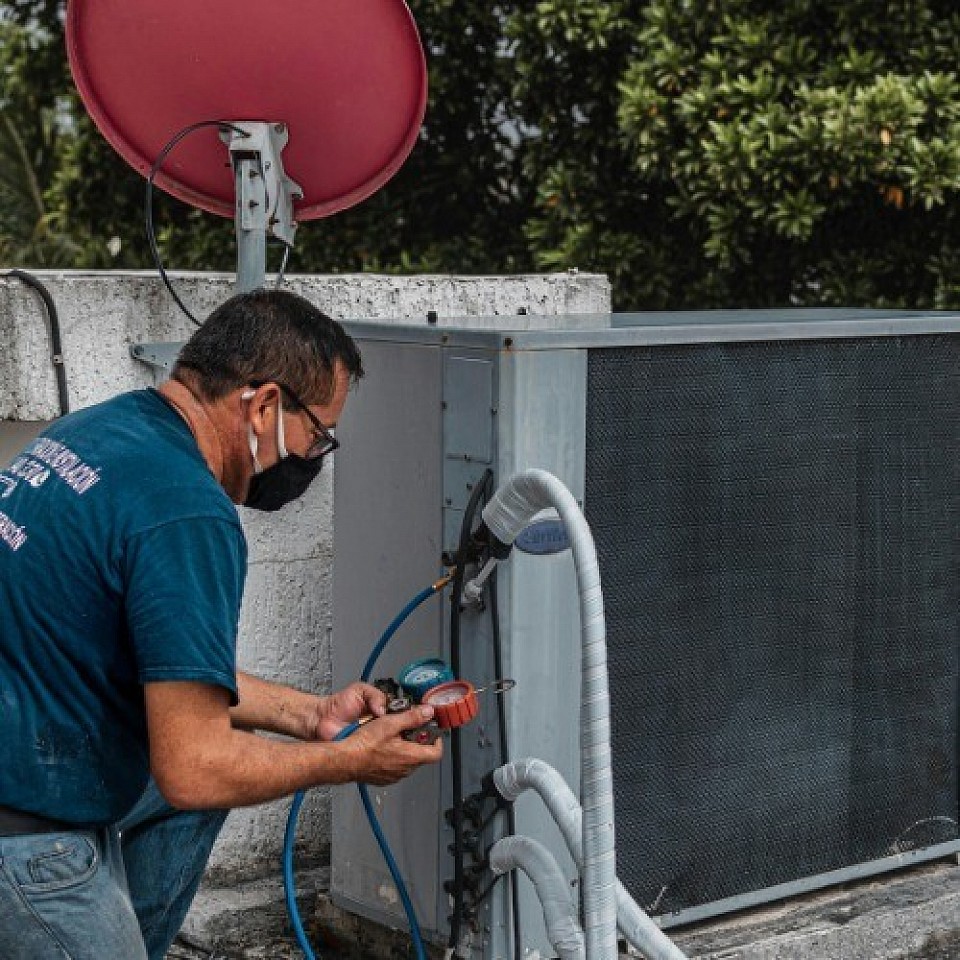
Routine HVAC Equipment Service reduces surprises and upholds efficiency. Seasonal checkups identify worn parts, weak capacitors, or airflow restrictions before they cause downtime. Filter changes, coil cleaning, and thermostat calibration are small steps that add up to better comfort and stable operation. Service professionals also document readings over time, creating a performance baseline that makes future issues easier to diagnose. Regular service supports warranty requirements and provides peace of mind during peak heating and cooling seasons.
Repair Decisions with Long-Term Value
When issues arise, timely HVAC Equipment Repair keeps minor problems from growing. Listening for new noises, spotting uneven temperatures, or noting higher utility bills can guide a well-timed service call. Skilled technicians isolate root causes rather than just treating symptoms, protecting compressors, blower motors, and control boards from collateral damage. Transparent repair planning looks at part availability, unit age, and total operating condition to help you decide whether to repair now or start planning for a future upgrade.
Cleaner Air Through Duct Cleaning
Duct Cleaning supports a healthier indoor environment by addressing buildup that can limit airflow and recirculate dust. This service pairs well with a thorough inspection of registers, returns, and sealing. Clean ducts help new filters perform better and can reduce strain on fans and coils. For households with pets, recent renovations, or allergy concerns, a duct assessment is a practical part of a broader indoor air quality plan.
Practical Steps for Property Owners
1. Schedule a professional load assessment before any HVAC Equipment Sales decision to align capacity with real usage.
2. During HVAC Equipment Installation, confirm airflow measurements and refrigerant charge are documented for future reference.
3. Set recurring reminders for HVAC Equipment Service, including filter changes and coil inspections.
4. When facing HVAC Equipment Repair, request a clear explanation of cause, options, and expected outcomes.
5. Ask about Duct Cleaning if you notice dust accumulation, musty odors, or rooms that struggle to stay comfortable.
6. Use a programmable or smart thermostat compatible with your system to support consistent, efficient operation.
7. Keep outdoor units clear of debris and vegetation to maintain airflow and protect components.
Today’s HVAC decisions are not just about staying cool in summer or warm in winter. They are about thoughtful planning that ties together sales insight, precise installation, and ongoing care. By focusing on the fundamentals and seeking qualified help at each step, homes and businesses can enjoy steady comfort, dependable operation, and cleaner air throughout the year.
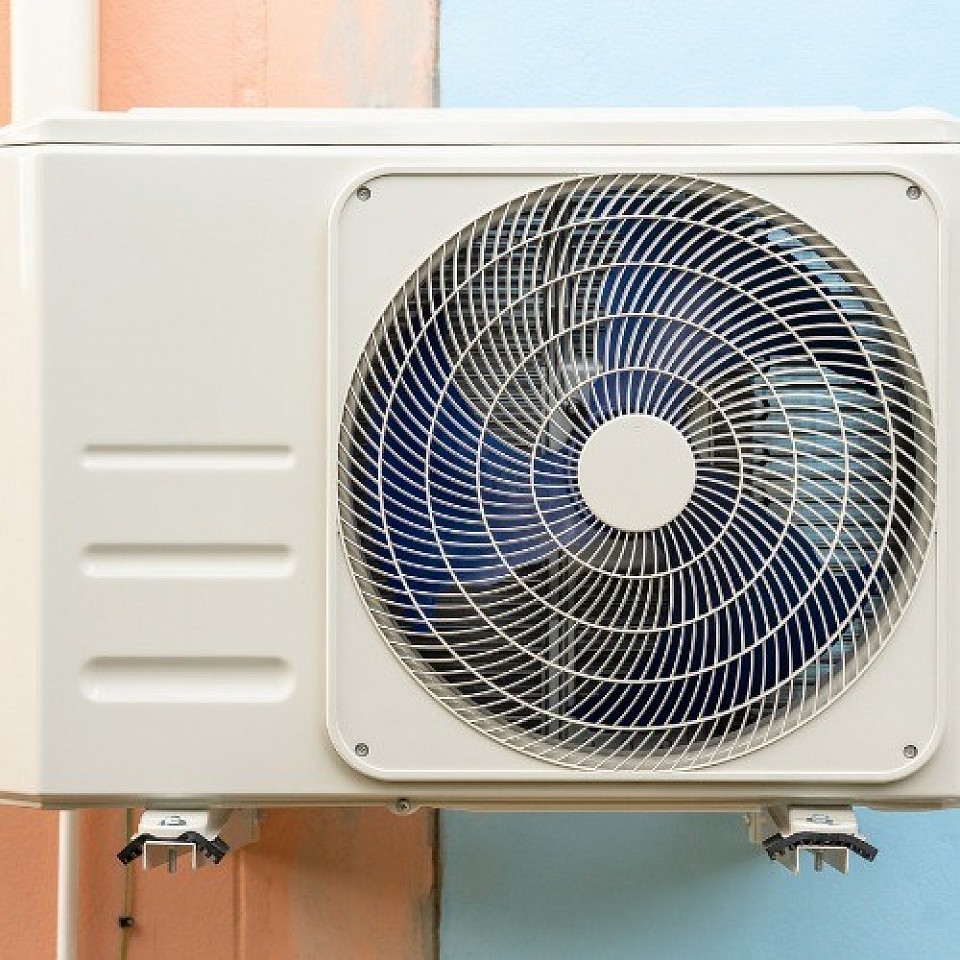
Smart Climate Control: Trends Shaping HVAC Service and Reliability in North Texas
The Evolving HVAC Landscape in North Texas
Extreme temperature swings have pushed heating and cooling systems to work harder and smarter. Homeowners and building managers now prioritize reliability, energy efficiency, and cleaner indoor air in equal measure. That shift is reshaping how the HVAC industry approaches equipment selection, seasonal maintenance, and long-term planning. From proactive tune-ups to data-informed upgrades, the focus is firmly on comfort that lasts.
Seasonal Demand and Service Readiness
Peak summer heat places strain on compressors, coils, and electrical components, while winter cold exposes weak heat exchangers and airflow issues. Planning ahead is the linchpin. Timely HVAC Equipment Service mitigates surprise breakdowns by catching minor issues—loose connections, dirty coils, or underperforming capacitors—before they escalate. For homes and small businesses, that readiness reduces downtime and helps maintain steady indoor temperatures when comfort matters most.
ac repair cleburne and Regional Considerations
Local climate drives local priorities. Rapid temperature spikes create urgent cooling needs, while dust and pollen can clog filters and coils. In this context, ac repair cleburne often centers on airflow restoration, refrigerant circuit integrity, and thermostat calibration tuned to hot, sunny afternoons. Regional know-how also influences HVAC Equipment Repair strategies, such as choosing durable components that tolerate frequent cycling, and adjusting installation practices to handle attic heat and storm-season humidity.
What to Expect from Modern HVAC Services
Today’s service expectations combine expertise, transparency, and options. HVAC Equipment Sales are most valuable when they’re paired with clear explanations of system sizing, efficiency ratings, and compatibility with existing ductwork. HVAC Equipment Installation should emphasize proper airflow balancing, refrigerant charging to manufacturer specifications, and thorough system testing. Ongoing HVAC Equipment Service includes filter checks, electrical inspections, and performance benchmarks. And when components falter, HVAC Equipment Repair focuses on accurate diagnostics and fixes that restore design performance rather than quick patches.
A Practical Checklist for Homeowners
1. Schedule regular inspections: Twice-a-year HVAC Equipment Service—before heating and cooling seasons—helps verify safe operation, confirm airflow, and optimize thermodynamic performance.
2. Change filters consistently: Filter maintenance protects coils and blowers from dust buildup, supports good airflow, and can stabilize energy use across seasons.
3. Seal and clean ducts: Duct Cleaning, along with sealing visible leaks, supports balanced room-to-room temperatures and reduces strain on motors and compressors.
4. Calibrate thermostats: Proper thermostat placement and calibration reduce short cycling, improve comfort, and align system runtimes with actual needs.
5. Mind the outdoor unit: Keep vegetation, fencing, and debris at least a few feet from condensers to encourage unobstructed airflow and efficient heat rejection.
6. Track performance trends: Note unusual noises, longer cycles, or uneven temperatures, and share this context during service visits to aid diagnostics.
7. Plan for replacement: When repair costs and repeated failures add up, consider HVAC Equipment Sales to explore right-sized, efficient replacements that meet your comfort goals.
Indoor Air Quality and Ductwork
Comfort isn’t only about temperature. Dust, allergens, and humidity affect how a space feels and functions. Duct Cleaning, combined with proper filtration and sealing, can reduce airborne particles that compromise coils and evaporators. That, in turn, supports consistent airflow and helps systems maintain setpoints more easily. The net effect is a cleaner, calmer indoor environment that complements regular maintenance.
Looking Ahead: Efficiency and Reliability
As equipment design advances, expect more precise controls, quieter operation, and better resilience under extreme conditions. Still, fundamentals matter most: correct HVAC Equipment Installation, consistent HVAC Equipment Service, and evidence-based HVAC Equipment Repair when issues arise. For those navigating long summers and cool snaps, the winning strategy is part planning, part prompt response, and part smart investment—an approach that keeps comfort steady and surprises to a minimum.